Uncover the Soul of Courage: Discovering the Warsaw Uprising Memorial Museum
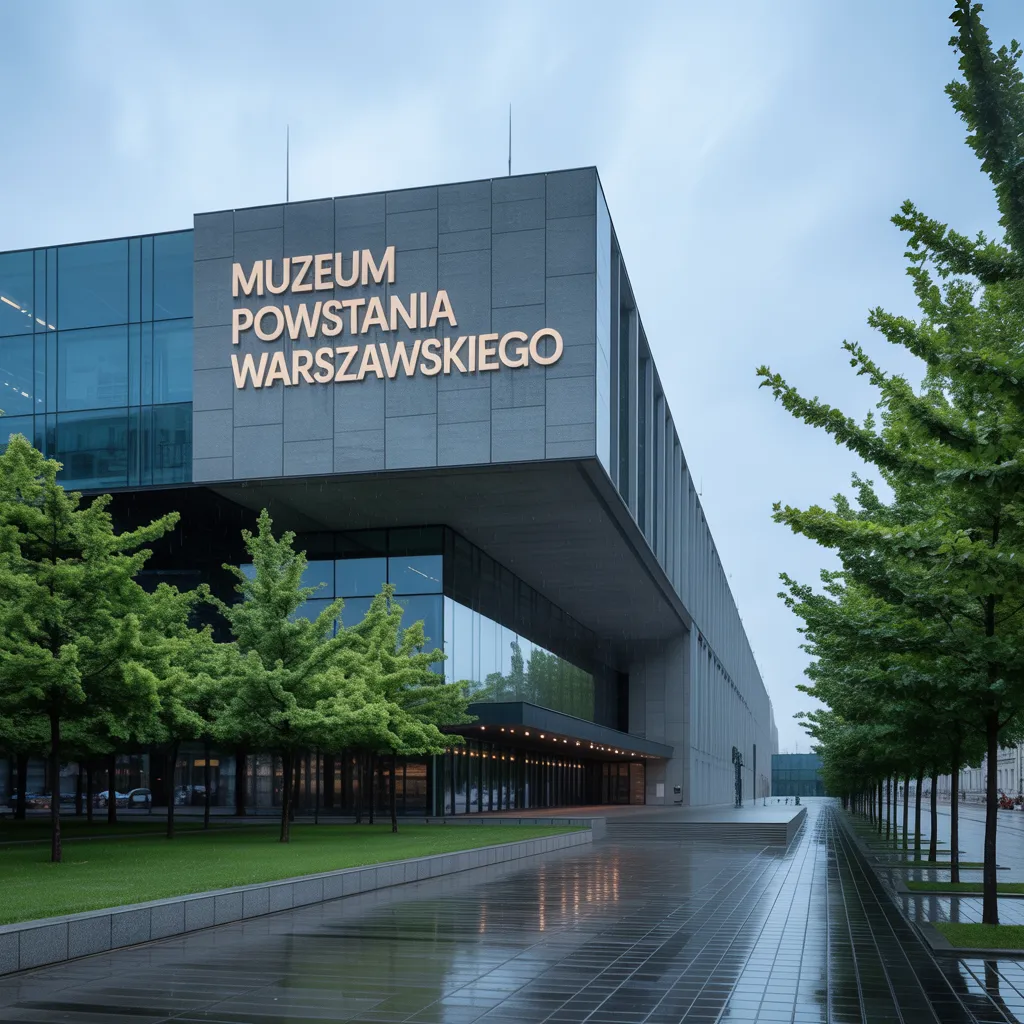
The Warsaw Uprising Museum stands as a tribute to human resilience against tyranny. It offers a remarkable glimpse into the hardships suffered during one of history's most defining moments. Attendees can immerse themselves in powerful displays that illuminate individual accounts and shared history. This exploration of the past raises important questions about freedom and the ongoing struggle for democratic values. What wisdom can be extracted from these stories, and how do they resonate today?
Why The Warsaw Uprising Is Still Relevant Today
The relevance of the Warsaw Uprising echoes profoundly throughout today's world, representing resilience in the face of tyranny. This landmark historical occurrence, which took place during WWII, illustrates the bravery of those who stood against tyranny, rendering it a significant benchmark for current struggles against authoritarianism. The revolt acts as a reminder of the lives given for independence, fostering a spirit of obligation to defend democratic values today.
In an era marked by increasing nationalism and populist sentiment, the Warsaw Uprising's lessons promote vigilance against the erosion of civil liberties. It also fosters a mutual recognition of the value of collective action in advocating for human rights. Moreover, the uprising unites generations, connecting the accounts of former heroes with present-day movements for justice. Therefore, its enduring legacy motivates individuals and communities worldwide, emphasizing the enduring fight for freedom and equality.
Browse Key Exhibits and Personal Stories
Upon exploring the Warsaw Uprising memorial museum, one can discover key exhibits that breathe life into the profound struggles of those who lived through it. The museum's collection includes photographs, personal artifacts, and historical documents that depict the everyday hardships endured by civilians and fighters alike. One poignant exhibit features an assembly of handwritten letters from insurgents, shedding light on their aspirations and apprehensions during those turbulent times. Another highlights the stories of families who were displaced, showcasing the human toll of conflict.
Furthermore, the exhibit showcases weapons and uniforms used during the rebellion, shedding light on the dire see here circumstances. The narrative is deepened by voice recordings of survivors recounting their experiences, adding an intimate dimension to the documented history. These displays not only teach audiences about the rebellion but also honor the courage and determination of those who stood up for their community, bringing historical events to life for modern visitors.
Can't-Miss Interactive Exhibits at The Museum
How can interactive exhibits enhance the understanding of the Warsaw Uprising? At the Warsaw Uprising Museum, such exhibits provide an engaging and dynamic approach to exploring history. One remarkable exhibit lets visitors traverse a virtual map of the city as it stood during the uprising, offering insight into the geographical difficulties that insurgents faced. Another immersive experience simulates the sounds of battle, enveloping guests in the atmosphere of resistance.
In addition, the museum features a moving interactive wall where attendees can share messages or reflections, fostering a meaningful bond to the historical story. Interactive screens highlight personal testimonies from eyewitnesses, connecting the divide between history and today. These engaging components not only teach but also evoke empathy, presenting the nuances of the Warsaw Uprising more approachable and engaging. Through these innovative installations, the museum shapes historical education into an immersive exploration that strikes a chord with its audience.
Helpful Tips For Your Museum Visit
What key tips can improve a visit to the Warsaw Uprising Museum? To begin with, it is recommended to set aside at least two to three hours for a comprehensive exploration of the exhibits. Visitors should consider booking tickets online in advance to avoid long queues, especially during peak tourist seasons. Audio guides are offered and strongly advised, as they deliver meaningful context and enhanced perspectives on the exhibits.
Getting there early in the day can additionally improve the overall experience, creating a more peaceful environment. Sturdy shoes are highly recommended, as the museum features extensive walking and standing. Additionally, guests are encouraged to review the museum's calendar for organized events, hands-on workshops, or curated tours that could enrich their understanding. Lastly, engaging with the museum staff for recommendations can result in uncovering hidden artifacts and narratives that highlight the resilience of Warsaw's citizens during the uprising.
How The Uprising Shapes Modern Polish Identity
The Warsaw Uprising stands as a landmark event in the history of Poland, deeply shaping the collective identity of the nation. This remarkable 1944 rebellion against Nazi forces represents courage, resilience, and the struggle for freedom. The Uprising has emerged as a central reference point in contemporary Polish national identity, nurturing a sense of unity among people who regard it as a tribute to their shared history and values.
In contemporary Poland, the Uprising is commemorated in a variety of ways, from civic events to artistic tributes, reinforcing a collective memory that shapes national consciousness. The courage displayed during the Uprising is commemorated in literary works, film, and artistic expression, functioning as an enduring symbol of national pride.
In addition, the Uprising's impact drives continual discussions about democracy, sacrifice, and historical memory, affecting public discourse and civic participation. Therefore, the Warsaw Uprising stands as a foundation of the Polish national identity, embodying the undying pursuit of sovereignty and the enduring spirit of resistance.
Inspiring Future Generations Through The Museum
The Museum of the Warsaw Uprising plays an essential role in educating young visitors through its interactive exhibits, which connect them to the historical events of the rebellion. Through safeguarding these stories, the institution not only commemorates what came before but also fosters a spirit of accountability in generations to come. This strategy cultivates a more profound appreciation of history and its ongoing impact on Polish identity.
Educating Through Interactive Exhibits
Whereas most museums strive to protect history, the Warsaw Uprising Memorial Museum takes a distinctive approach by engaging visitors through interactive exhibits. These carefully designed installations invite individuals to immerse themselves in the perspectives of those who survived the uprising. By employing multimedia presentations, virtual reality experiences, and hands-on activities, the museum fosters a deeper understanding of the historical backdrop and emotional gravity of the events. Guests can examine genuine artifacts and participate in narratives that transforms history into a living experience, ensuring it resonates with future generations. This hands-on approach not only teaches but also nurtures understanding and reflective thinking, guaranteeing that the insights of the uprising extend far beyond the museum walls, influencing the outlooks of tomorrow's leaders.
Preserving Historical Narratives Impact
By means of its immersive exhibits, the Warsaw Uprising Museum not only enlightens visitors but also plays an important role in safeguarding historical narratives that speak to future generations. By highlighting personal stories, artifacts, and digital displays, the museum encourages a deeper awareness of the Uprising's significance. This connection helps to guarantee that the contributions made during this defining chapter in history are not forgotten. The museum highlights the value of resilience, courage, and collective memory, encouraging young people to contemplate their own values and responsibilities. As attendees connect emotionally with the past, they are inspired to become active participants in building a more equitable future. As a result, the museum acts as a essential channel for passing on these important stories through generations.
Personal Narratives That Illuminate History
Within the remnants and collections of the Warsaw Uprising Museum, personal narratives stand out as striking expressions of strength and bravery. Every account, be it from a combatant or an ordinary citizen, offers a profoundly touching glimpse into the personal journey during one of history's darkest times. The exhibit features handwritten letters, personal diaries, and recorded testimonies that convey the sentiments of sorrow, aspiration, and courage, permitting attendees to engage with these events in an intimately meaningful way.
These accounts underscore the intricacies of survival, illustrating how ordinary individuals became extraordinary heroes. They uncover the profound moral conflicts experienced amid the uprising and the bonds forged in adversity. By sharing these intimate accounts, the museum safeguards history but also highlights the importance of individual voices in shaping collective memory. At their core, these individual accounts redefine the perception of the uprising, allowing it to resonate in contemporary discussions about resistance and identity.
Questions We Often Receive
What Are the Museum's Hours of Operation and Entry Fees?
The museum functions seven days a week from 10 AM to 6 PM, with Thursday hours extended until 8 PM. Entry fees are 25 PLN per adult, with students and seniors benefiting from reduced rates of 15 PLN.
Is a Guided Tour Offered at the Warsaw Uprising Museum?
Absolutely, guided tours are offered at the museum. These guided experiences deliver detailed information into the historical exhibits and context, broadening visitors' knowledge of the significance and events of the historical uprising. Advance reservations are strongly advised.
Is Taking Photos Permitted Inside the Museum?
Photography is generally not permitted inside the museum to preserve the exhibits and respect the solemnity of the space. Guests are invited to embrace the visit without taking photos, focusing instead on the historical significance.
Are There Any Gift Shops or Cafés Located On-Site?
Yes, the museum features both a souvenir shop and a café within the facility. Patrons have the opportunity to shop for keepsakes and indulge in light refreshments, adding to the enjoyment of their trip while learning about the historical value of the museum's collections.
Are There Any Special Events or Exhibitions Coming Up?
The museum frequently organizes special events and exhibitions. Scheduled programs include talks, cinematic screenings, and engaging displays, offering guests a more profound understanding of the Warsaw Uprising's historical importance and lasting impact.